CraftJanuary 15, 2026
Inside the tannery
Why we buy from two tanneries instead of ten, and what a hide looks like before it becomes a shoe.
Ines Marchetti · Head of Production · 8 min read
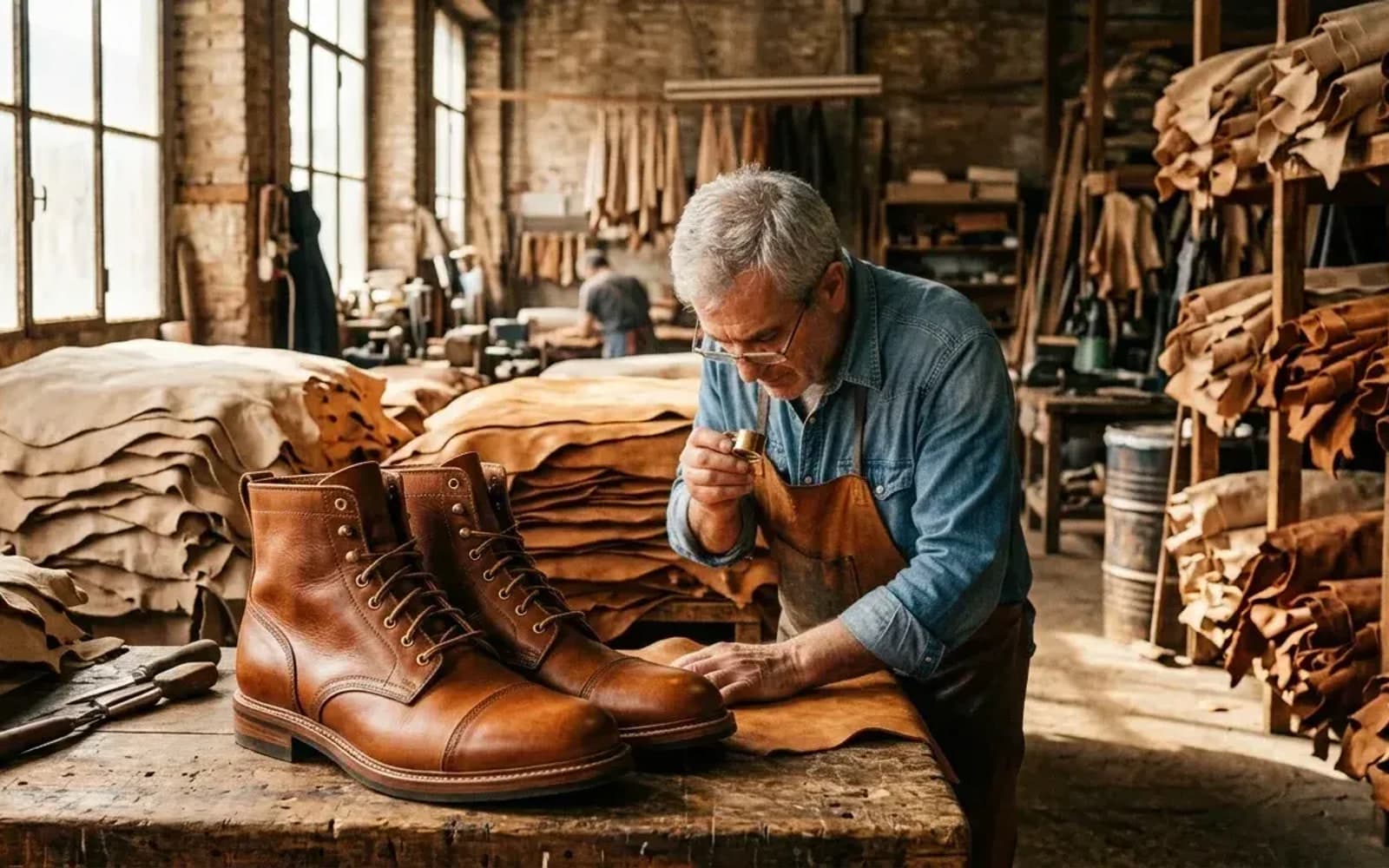
A hide arrives at the tannery as a raw material with no consistency at all. Two hides from the same herd can take colour differently, stretch differently and finish differently. Managing that is the whole job.
Why two suppliers
Working with a small number of tanneries means we see the same hides year after year. When a batch behaves oddly, someone on the other end already knows why. Spreading the order across ten suppliers would be cheaper and would make that impossible.
Full-grain, and what it means
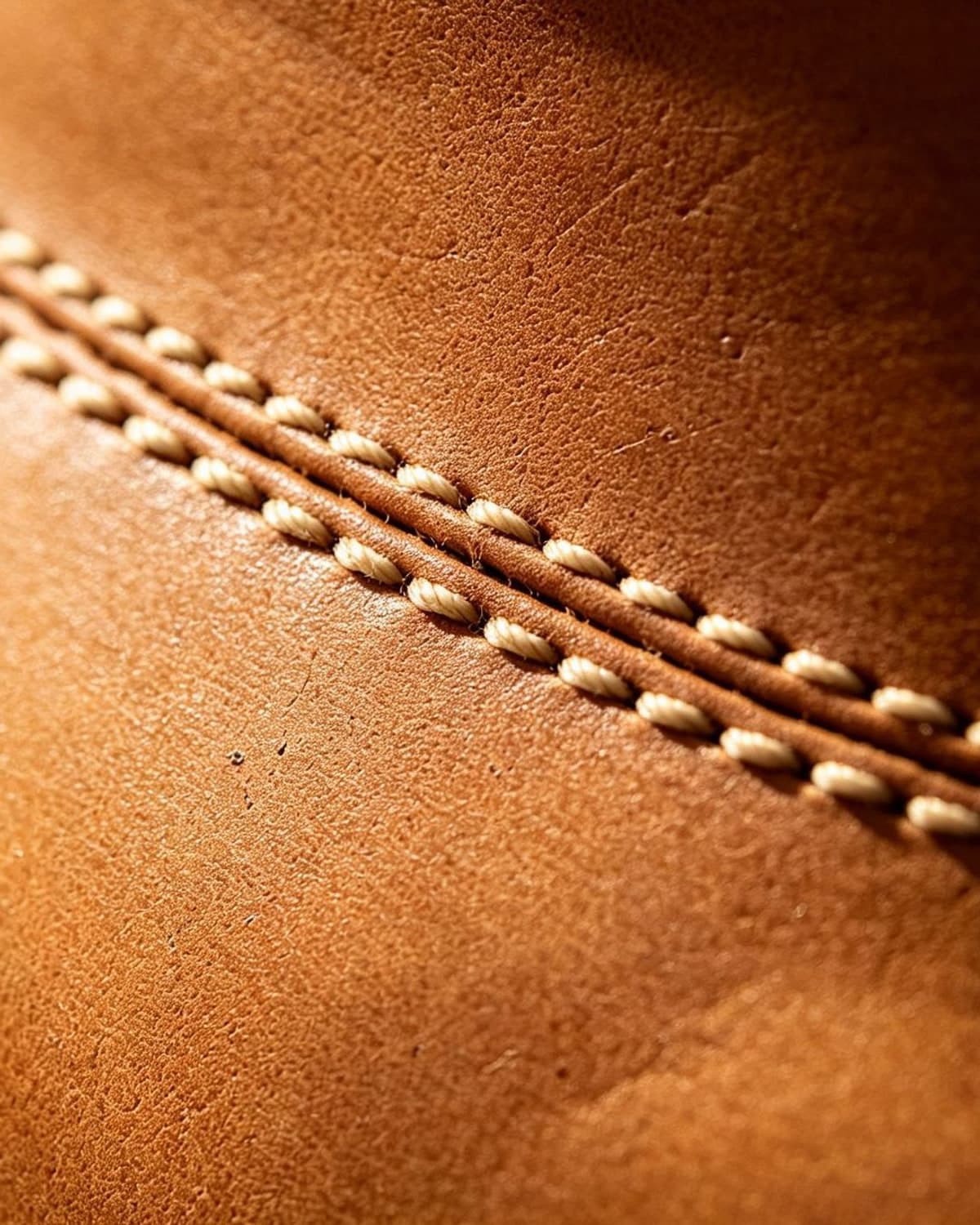
Full-grain leather keeps the outermost surface of the hide, including its marks. It is stronger than corrected grain — where the surface is sanded and a synthetic finish sprayed on — and it develops a patina rather than cracking.
It also means the occasional scar or growth mark makes it into a finished shoe. We cut around the worst of them and let the rest through. A shoe with no marks at all has usually been sanded to get there.
“You can spray a finish onto a poor hide and it will look perfect for a year. Then it will look like exactly what it is.”
Roughly one hide in six is good enough across its full length for a whole-cut oxford. The rest go to shapes with more panels — which is why the OXFORD costs what it does.
- materials
- leather
- craft