CraftFebruary 24, 2026
How a sole is built
Six layers, four adhesives and one stitch that decides whether a shoe lasts three years or fifteen.
Ines Marchetti · Head of Production · 7 min read
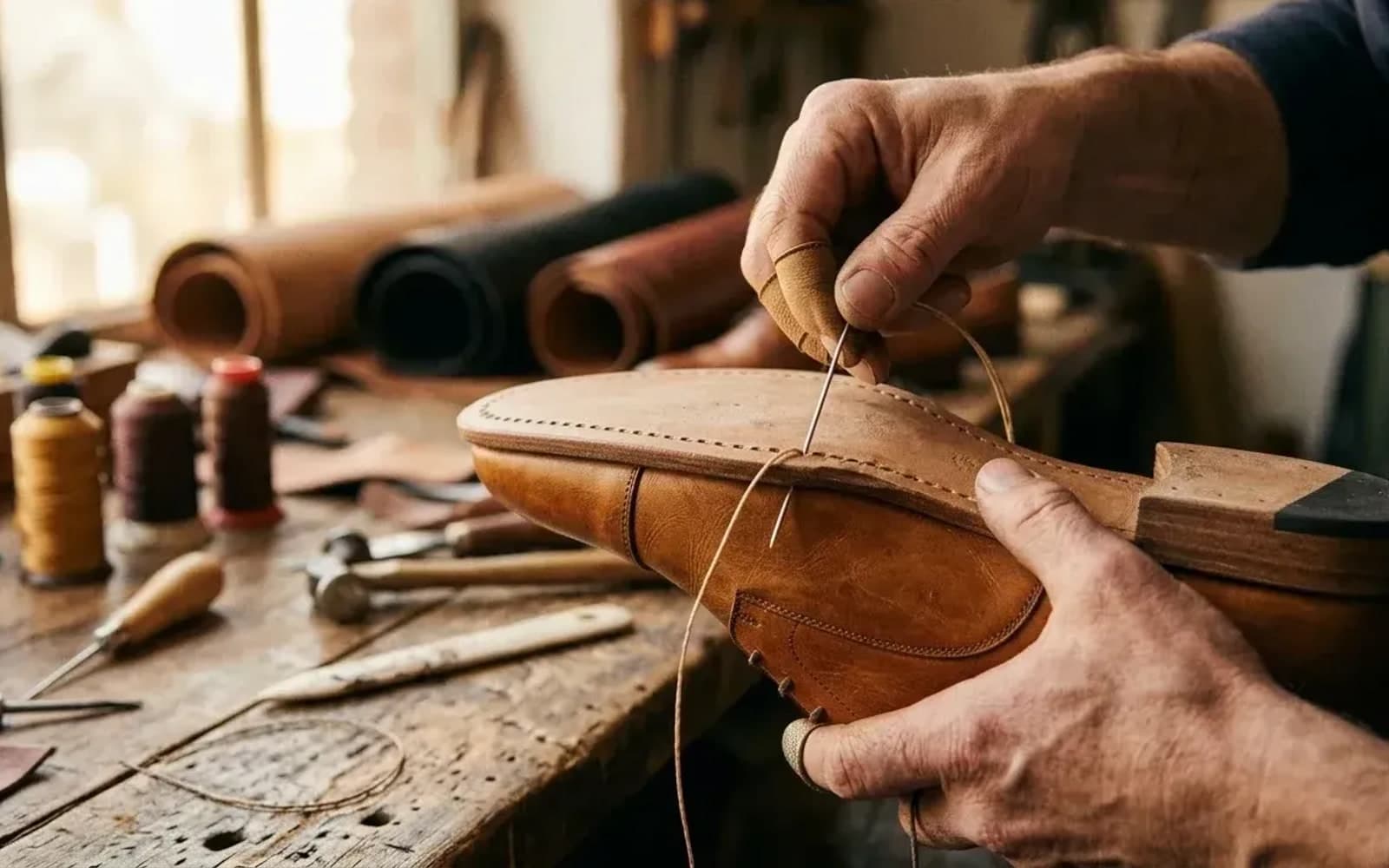
Almost every question we get about durability is really a question about the sole. The upper is the part people look at, but the sole unit is where a shoe either earns a second decade or quietly gives up in its third winter.
There are three constructions in the VÉRANO range, and the choice between them is not about quality — it is about what the shoe is being asked to do.
Cemented
The sole is bonded to the upper with adhesive. It is the lightest and most flexible option, which is why every sneaker in the range uses it. A cemented shoe can be resoled, but it is a specialist job and the result is never quite as clean as the original.
Blake stitched
A single stitch runs through the insole, the upper and the outsole, from inside the shoe. It produces the slimmest possible profile — which is exactly why our loafers use it. The trade-off is that the stitch line passes through the interior, so a Blake shoe is marginally less weatherproof.
Goodyear welted
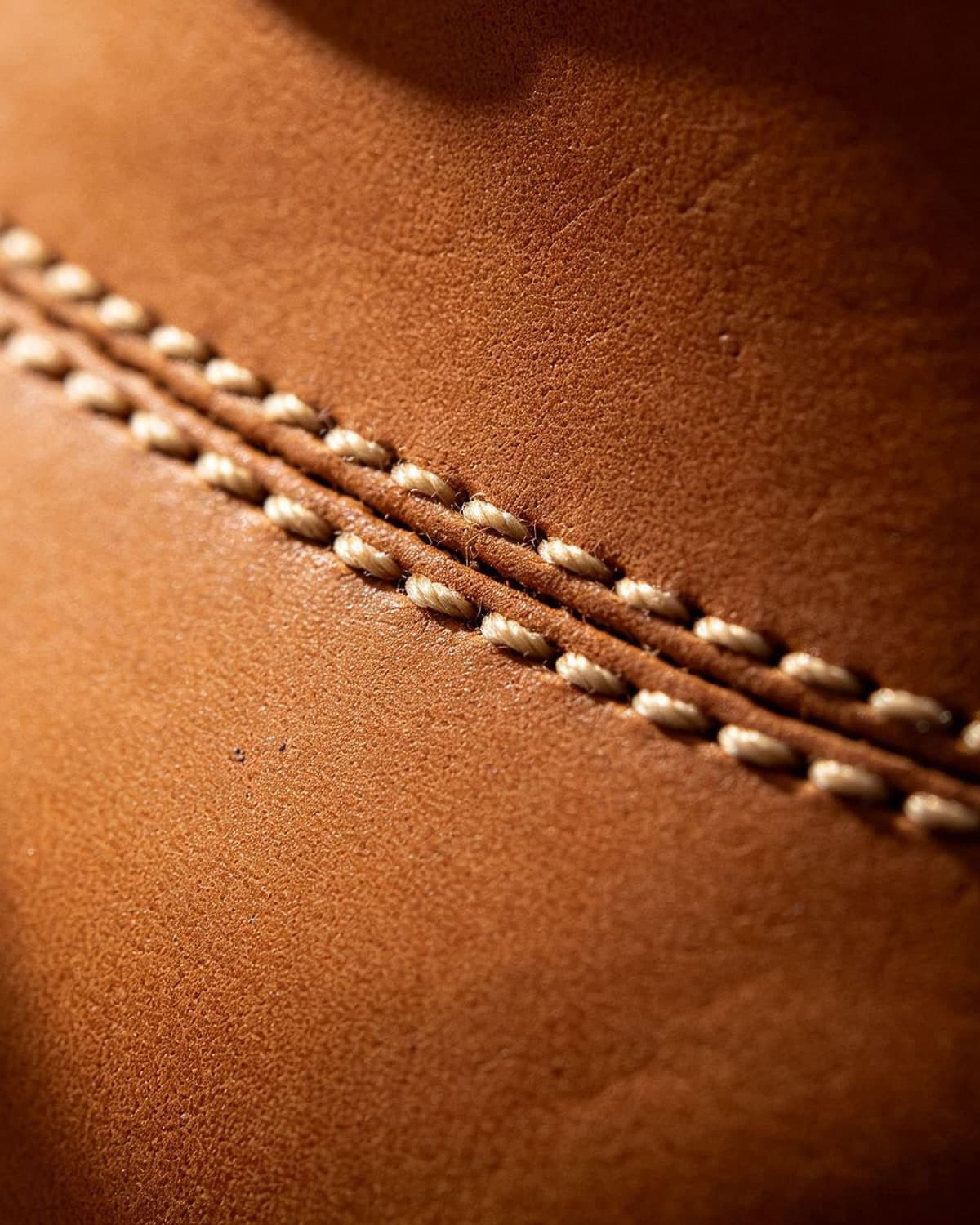
A strip of leather — the welt — is stitched to a rib on the insole, and the outsole is then stitched to the welt. The upper is never pierced by the sole stitch, which means the shoe can be resoled almost indefinitely without touching the part you paid for.
“A welted shoe is not finished when it leaves the workshop. It is finished the fourth or fifth time it comes back.”
- Sneakers and slip-ons — cemented, for weight and flex.
- Loafers and dress boots — Blake or Blake rapid, for a slim waist.
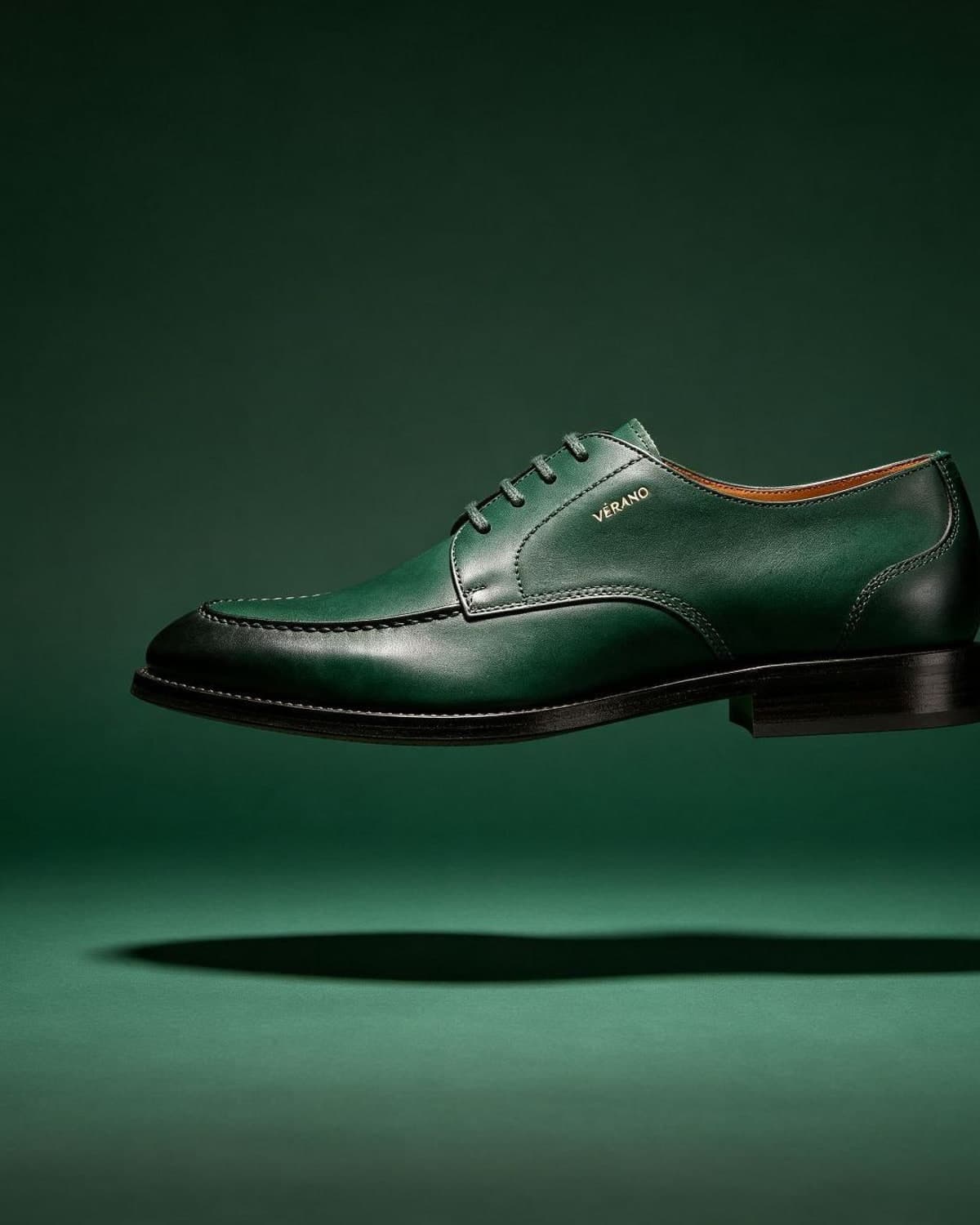
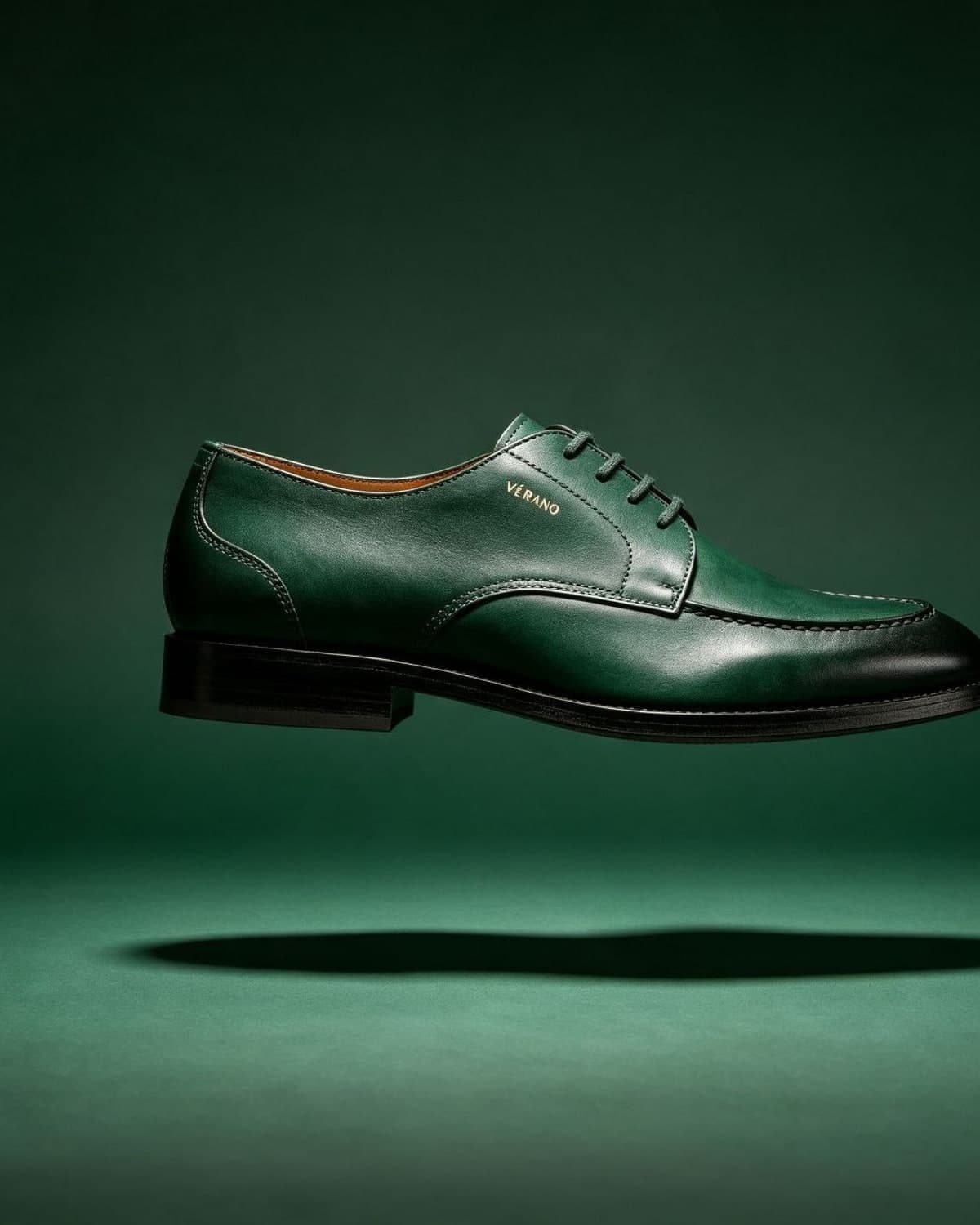
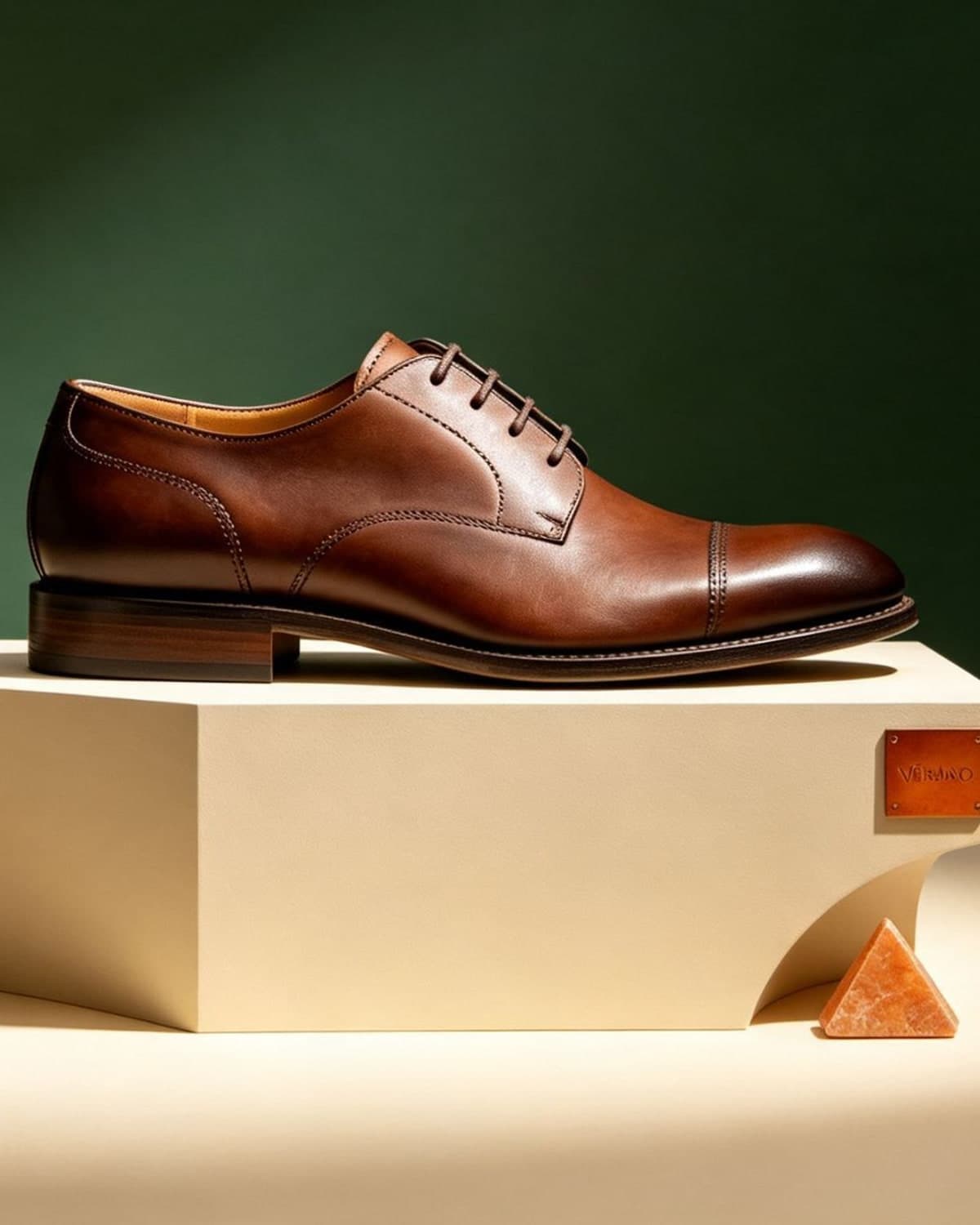
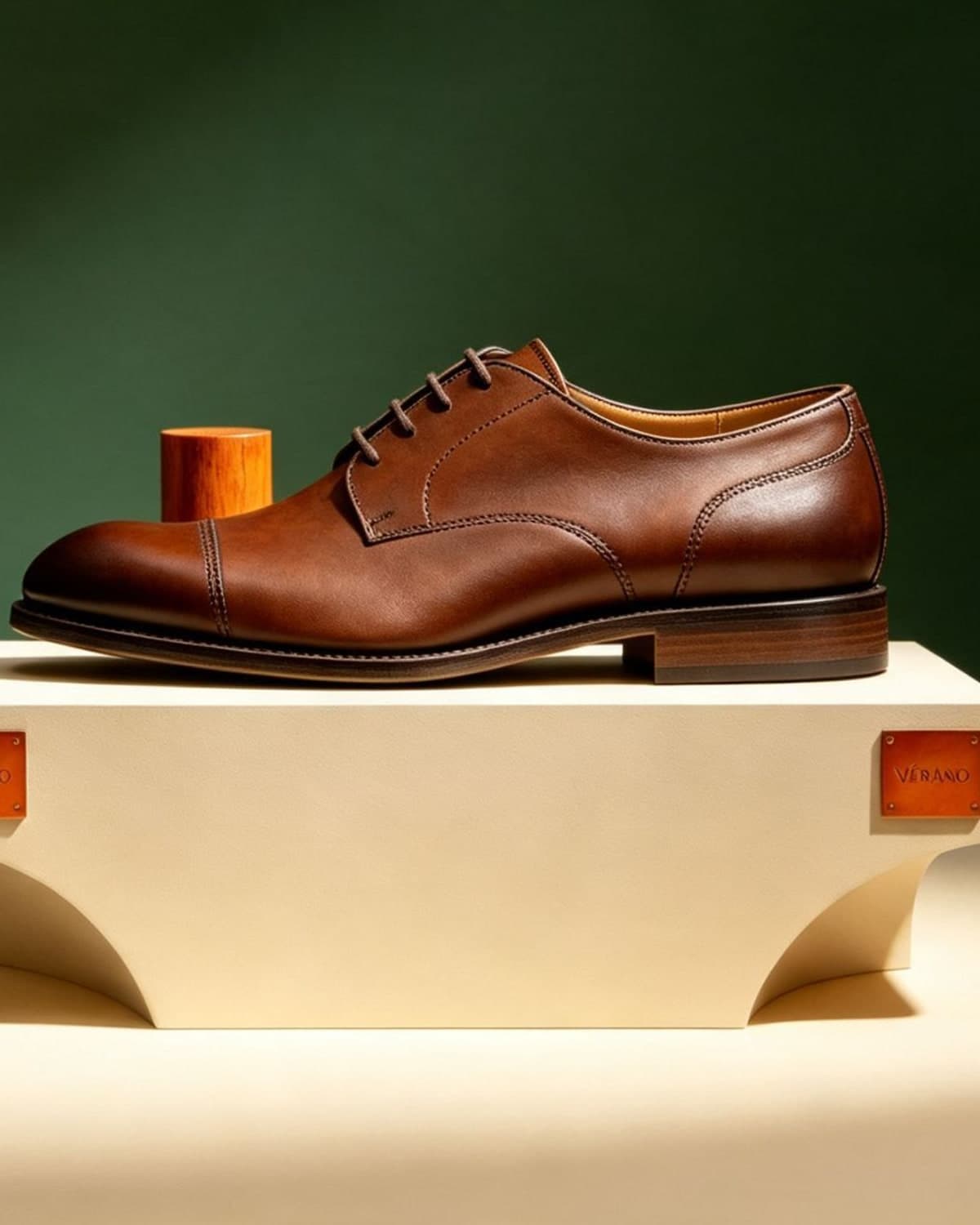
- Derbies, oxfords and weather boots — Goodyear welted, for longevity.
If you only remember one thing: ask what happens when the sole wears through. A shoe with an answer to that question is worth buying once.
- construction
- craft
- welting